


Choosing your Birthing Tribe
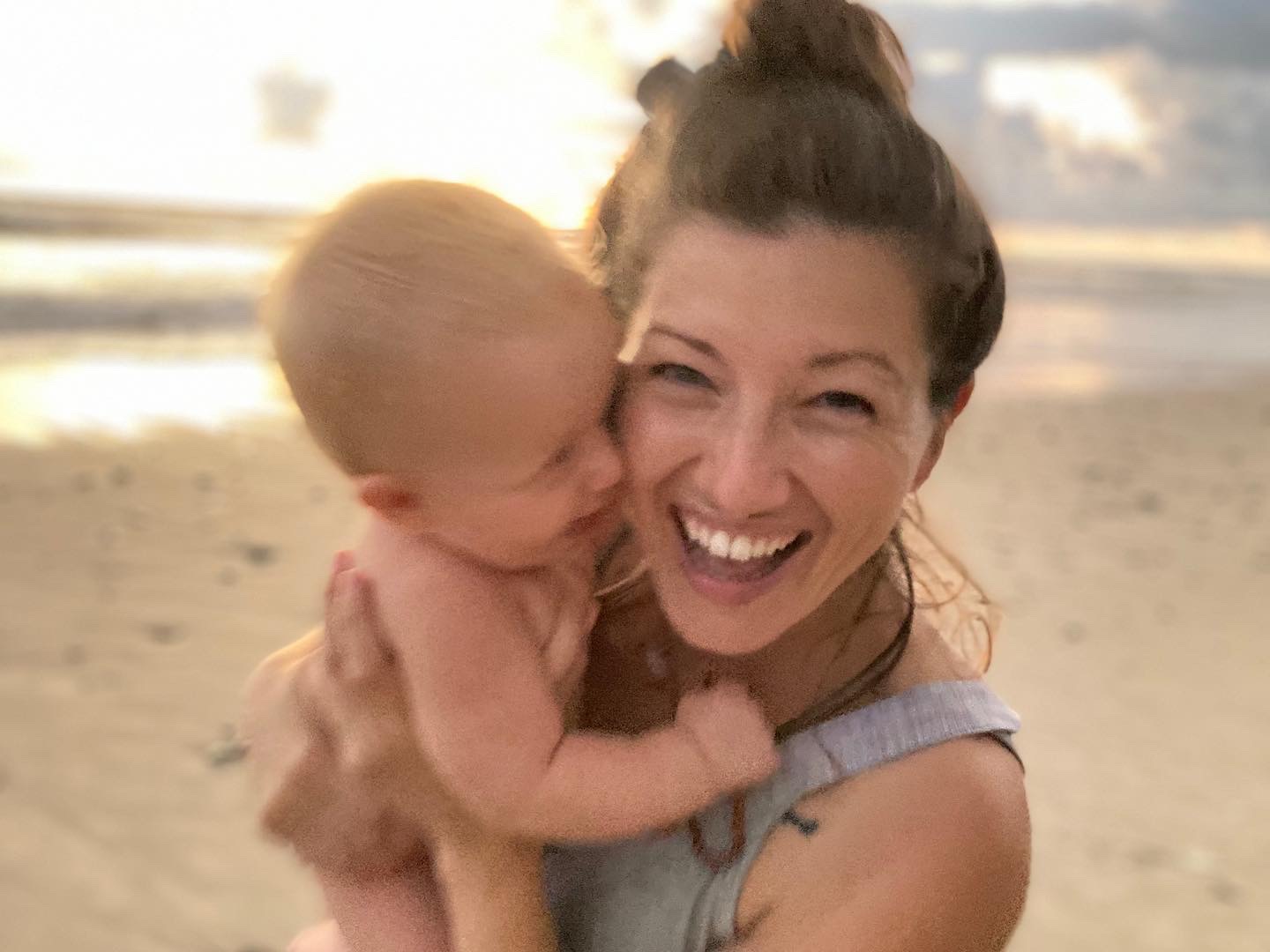

Let’s explore what your birthing tribe may look like, information is such a powerful tool and will help to bring clarity to your mind at this time. It’s great to know what support is out there so you can decide what may serve you. And who knows, in the end you may simply have your birthing partner or the whole shebang.
We will look at:
Why a tribe that YOU choose is so important
The history into witches and midwives
What each support member has to offer and their limitations
Empowering questions
As each aspect of your being is transforming, your tribe will hold you through this experience with grace and compassion.
Today we will explore what your birthing tribe may look like, stay open to what comes through as you digest these words, as our fears can push away the people who we need the most and keep the toxic people close to preserve relationships, conform to societal norms and many other reasons. As we walk together we will curiously welcome topics, ideas and questions to reveal what we need to support our evolution and nourish us through this transformational time.
The one truth we all know is that we have been birthing since the beginning of time and our tribes have most definitely changed. From a healer who would have followed you from womb to tomb, to an industrialized medical system rooted in patriarchal values. What happened to all the medicine men and women?
Let’s just time travel back to the 14th century when the witch hunts started to take place, midwives were recognised much differently than they are today, they were the healers, the medicine women, the witches! The word midwife derives from Old English mid, "with," and wif, "woman," and thus originally meant "with-woman," it wasn’t until the 1900 when it was regulated and legalized to ensure women were to follow the ruling of their country.
In the 14th century the witch hunts which spotlighted healers included midwives. With their knowledge of procreation, fertility, successful delivery, and most dangerously, contraception and abortion. Witches were often accused of killing babies or stealing them from their mothers and handing them over to the devil!
An 18th century oath for midwives in England, reprinted within J. H. Aveling’s English Midwives (1967), indicates “You shall not in any wise use or exercise any manner of witchcraft, charm or sorcery…” I think this says it all!
I share this to challenge ideas and constructs. To see where language and history can shift our view on many matters. Not to tell you to home birth or birth at hospital just to welcome options.
What would it look like in other cultures?
Birth in many cultures is seen as a ceremony. In Native Alaskan cultures they see this as a very important time for deep healing and habitual shifts, as mothers embrace the vulnerable child relying on her to survive. The whole family needs to be of a healthy body and mind to thrive. Through colonisations sacred practices of indigenous peoples have been lost, due to a dark history which still haunts them today. With communities reclaiming their lost practices, more mothers and babies are trusting the support and guides of the healers, midwives and healers in their community.
Reclaiming our right of passage through motherhood is a global calling, mothers and tribes are continuously raped through lack of information, unnecessary interventions, ‘routine’ check ups, lies, abuse and neglect. Birth as a ceremony is our birthright, it is the only way to begin healing the deep wounds inflicted on us from delusions within the system and society in attempts to control and destroy our deep knowing and intuition… our magic!
PS, I am NOT against the medical system, I see it as a business which WE can choose to employ.
Every person has a right to:
safe and appropriate maternity care that respects their dignity;
privacy and confidentiality;
make choices about their own pregnancy and childbirth;
equality and freedom from discrimination.
Choosing your Tribe
Midwife. Midwifery is very diverse, if you choose to have a midwife you can explore their limitations and values in the initial meeting. Registered midwives will have different regulations in each country, in some countries and states it is illegal for home births with a registered midwife. If you go past your due date by 2 weeks, you may find yourself abandoned because of the regulations and policies they honor.
Your midwife may have certain limitations to their care if your pregnancy falls into the ‘unsafe’ category. A few examples although not true in all case,
Pregnant with multiples
Baby doesn't settle into a position that allows for a headfirst delivery
Previously had a C-section
Risks of hospital transfer may include:
Labor isn't progressing
Your baby shows signs of distress
Your baby presents in a position other than headfirst
You need pain relief
You have high blood pressure
You experience bleeding
As you read this you may feel your stress levels rising, make note of which things trigger you and write them down. We will work with them later,
Unregistered, uncertified midwives which may also be referred to as, traditional midwife, lay midwife or birth attendant, you can discuss their experience, limitations and values. They may not be governed by a professional body but they may also have their own limitations based on their own values, beliefs and expertise.
Doula. The word doula originates from the Greek word for “servant”, doula was first used by Raphael in a 1969 anthropological study to describe a female caregiver during labor and childbirth whose function was often associated with successful breastfeeding (in Raphael's words, 'mothering the mother'). Later in 1992 DONA created an establishment to train and certify doulas. The role of a doula is to provide specific labor-support skills, techniques, and strategies, offer guidance and encouragement, build a team relationship with the nursing staff, encourage communication between the patient and medical caregivers, and assist the mother in covering the gaps in her care. As a registered Doula, they may again have limitations due to Standards of Practice and Code of Ethics . Certified or not the best way to find a doula which you connect with and trust is to meet them in person and ask questions.
OBGYN. A gynecologist treats patients with female reproductive organs. An obstetrician is a kind of gynecologist who specializes in pregnancy and childbirth. By the early 19th century, obstetrics had become established as a recognized medical discipline in Europe and the United States. OBGYN’a are medical doctors who are also trained to perform surgeries. As it relates to pregnancy, these surgeries can include cesarean deliveries (C-sections) and episiotomies, they are also trained to manage pregnancy-related complications with medical interventions such as inductions or assisted deliveries.
Your immediate care team depends on a number of things personal to you, including the cost and what is covered by your health insurance if needed. This will become more apparent when you start to connect with your birthing preparation 'plan'. You can start to connect to local providers, find out what feels good to you.
A few initial questions to consider,
What do you offer?
What does a pregnancy complication look like?
What happens if I am seen to have a pregnancy complication?
What happens if I am overdue?
Will you always be available to assist?
What are the limitations of your practice?
Can I have a home or hospital birth, or deliver at a birth center?
Do you insist on a vaginal examination?
What might labor look like?
What are my chances of needing intervention during labor (such as a caesarian section, forceps, vacuum delivery)?
How much time do you allow for the delivery of the placenta? When do you cut the cord?
How will my baby and I be cared for during the postpartum period?
These are just ideas, explore what is important to you and write down each query even if it sounds to you as though the answer is obvious, you will be surprised what routine checks and intervention are carried out, which may not align with your hopes and aspirations.
B.R.A.I.N
This acronym assists clients in making informed and consensual decisions about their care.
B - Benefits - What are the benefits to going ahead with this decision?
R - Risks - What risks are associated with doing this procedure or
making this decision?
A - Alternatives - What alternatives are available here? What alternatives are there that might not be available here, but available somewhere else?
I - Intuition - What does your gut tell you? This may take some time alone or with a trusted one, still your body, feel and ask “what feels right?”
N - Next or Nothing - What comes next if we say yes? What
happens if you say no?
Other tribe members to consider:
Your birthing partner. Holding space to sit with each other's fears around the labor will help to release tension and form trust. With each fear you can dive deeper to the root and see if you need further education and/or communication around the matter. Everything comes to the surface through labor so it is important to practice open and safe communication to love and nourish everything that arises.
.
Acupuncturist. Acupuncture is an age-old healing practice of traditional Chinese medicine in which thin needles are placed at specific points in the body. Pregnancy Acupuncture has been observed to help prepare and soften the cervix, this may support an promote and efficient labor. Disruption of the energy flow can cause disease. By applying acupuncture to certain points, it is thought to improve the flow of Qi, thereby improving health.
Herbalist. A herbalist is someone who uses plants for healing. They can assist you during pregnancy, in labor and postpartum to offer you plants which will be a sacred ally on your journey. There is an abundance of information for free all over the internet, you can create your own blends, but if you want support or feel you have underlying issues you want to nourish you can connect to a local healer.
Masseuse. Massages by a trusted masseuse can help to reduce stress, improve circulation to nourish and remove toxins, release tense muscle tissue, just to name a few benefits. During labor they can be there to support you, to help you relax or to teach your partner soothing technique. After birth a masseuse will be a gift to help you recover, just remember to communicate your needs and don’t be afraid to ask for a softer or firmer touch.
Hypnobirthing. Hypnobirthing is a method of pain management that can be used during labor and birth. It involves using a mixture of visualization, relaxation and deep breathing techniques. You can find a private teacher, read a book or on my course
Ancestor. When we give birth we are an open vortex, a time of surrender and trust. Allow your ancestors, guardians, angels to be with you. Ask “Please support me”
Books, Podcast, Programmes...
You get to decide. In the end you get to decide and you also get to change your mind. Being comfortable to fully surrender is your birthright. If you find yourself struggling to make any kind of decision. Pause and let go for a few days, focus on your body and your baby, breathe, eat good food, be in nature and observe what come through.
My story. Pregnancy stripped me of everything I believed around childbirth. After watching the business of being born and connecting with a friend who had home births with both of her children I felt hugely disconnected from the idea of using the hospital's services. I didn’t know where to begin, I didn’t know what appointments or checks were necessary, I didn’t understand the process, it felt so complicated and complex. Every medical professional I met in France made me feel uncomfortable and stripped of my dignity! And I was sick of hearing “as soon as you become pregnant you lose all dignity” that comment hurt my soul and at the time I couldn’t understand why!
I found a midwife in Costa Rica who would birth Auraya at home. When we arrived in CR I felt like all I wanted was to be alone with Ilan. I had never met the midwife and I wouldn't until weeks leading up, what if I didn't feel comfortable? Why can’t I do this alone?
I educated myself as much as possible, my tribe consisted of my friends, family, the indie birth podcast and free birth society podcast, I read tons of books and practiced hypnobirthing everyday! I was so excited to birth at home alone with Ilan. In the last few hours following 28 hours in labor, I realized I was losing my center to horrific memories from my past, I was passing out and coming round with the shock of a contracting uterus.
The fears which I was hiding surfaced and I couldn’t shift them, Ilan was incredible but something just didn't feel right, I cried for my mum, for my ancestor, for anyone. In the end our tribe grew to a local hospital which held me in the last moments. She emerged 30 minutes after reaching the hospital. As much as I resisted the hospital, we ended up there, I had so much shame and guilt around this and also a feeling of loss.
In hindsight, I was pushing everything away, I was preparing for birth. If I was to birth again, I would welcome more tribe members and allow our family to be held and supported through the journey, but then again maybe I wouldn’t, I change my mind on this depending on where I am at in my cycle. Ovulating, I welcome the world, bleeding I choose Ilan!
Birth is like the ocean, completely beautiful, unpredictable and extremely powerful, it has its own journey which is well beyond the scope of the mind. The healing that comes through in these moments is of deep ancestral wounds, we cannot plan for what will rise up in the void but we can prepare through nourishing practices to bring us back to the body with trust and love, again and again.
Blessing,
Danielle
Find me on Instagram
In our FREE Mothers & Birthkeepers community


Comments